


Επιστροφή


Επιστροφή
Runner’s knee is the common term used to describe any one of several conditions that cause pain in the front of the knee or around the kneecap (patella). It can be caused by running or any activity that repeatedly stresses the knee joint.
This condition is more common in women than in men, particularly in women of middle age. People who are overweight are especially prone to the disorder.
Runner’s knee can be due to different conditions with various causes, such as:
You don’t have to be moving in order to experience symptoms of runner’s knee—in fact, some people experience discomfort even when they’re sitting completely still. The patient might have:
The most common symptom you’re likely to notice is that bending your knee makes things worse. You’re likely to experience pain when you’re running, walking, riding a bike, or climbing stairs—a frequent complaint since when you’re bending the knee, you’re putting extra weight on the area. Your knee is experiencing pressure up to five times your body weight when you climb stairs, so if there’s any irritation, that’s when you’re going to notice it.
You also might feel tightness or tenderness in surrounding muscles that support your knee. Cyclists may be more likely to feel this in their quadriceps and glutes while runners might feel tenderness along the outer portion of the upper leg.
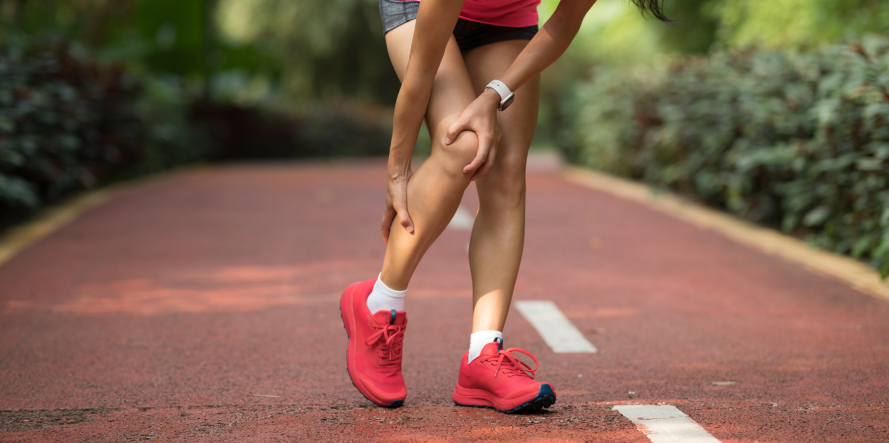
To confirm a diagnosis of runner’s knee, the doctor will obtain a complete medical history and conduct a thorough physical examination. He may also order imaging tests like an X-ray or an MRI scan for the evaluation of the knee.
To prevent runner’s knee, it is essential to:
In most of cases, the treatment of runner’s knee is conservative (non surgical). The recovery time varies from person to person, but over time, with appropriate treatment and patient compliance, runner’s knee pain can be resolved.
To speed up recovery, it’s important to avoid overexertion of the affected knee. Proper muscle strengthening will help improve knee stability. Anti-inflammatory medications can also help reduce pain.
Early treatment by an orthopedic specialist in Sports Injuries is important, along with the timely initiation of a physiotherapy program and adaptation of physical activities.
Runner’s knee can be linked to a group of pathological conditions that cause pain in the knee, especially around the kneecap. Early diagnosis and prompt treatment can help individuals return to their daily activities without pain and discomfort.
Please, visit the orthopedic surgeon Dr. Panagiotis Pantos for prompt relief of your problem.

Fill in your details below and we will contact you immediately!
WIN THE
MATCH POINT IN THE RACE
OF YOUR HEALTH!