


Επιστροφή


Επιστροφή
Trigger finger, also known as stenosing tenosynovitis or stenosing tenovaginosis is a condition that affects one or more of the hand’s tendons, making it difficult to bend the affected finger or thumb, causing pain and discomfort. Each finger has two tendons — the flexor digitorum profundus and the flexor digitorum superficialis. If one of these tendons or the tunnel a tendon runs through (called the tendon sheath) becomes swollen and inflamed, the tendon gets irritated and can “catch” in the tendon sheath. This can make it difficult to move the affected finger or thumb and can result in a clicking sensation.
Trigger finger can affect any finger, most commonly the middle finger, ring finger, and thumb. One or more fingers can be affected and the problem may develop in both hands. This condition occurs when the A1 pulley, a tunnel at the base of the finger, thickens, or when the flexor tendon develops a nodule. This narrowing or friction causes the tendon to catch or get stuck as it moves through the tendon sheath, resulting in a snapping or locking sensation as the finger straightens or bends. This issue is often linked to repetitive hand use, certain medical conditions, and can lead to pain, stiffness, and an inability to fully extend the finger.
While the causes of trigger finger are not well known, several factors may increase your risk for developing the condition. These include:
The most common symptoms of trigger finger include:
Trigger finger symptoms (especially stiffness and locked positions) are usually worse first thing in the morning. Stiffness usually gets a little better as you start using your fingers and thumb.
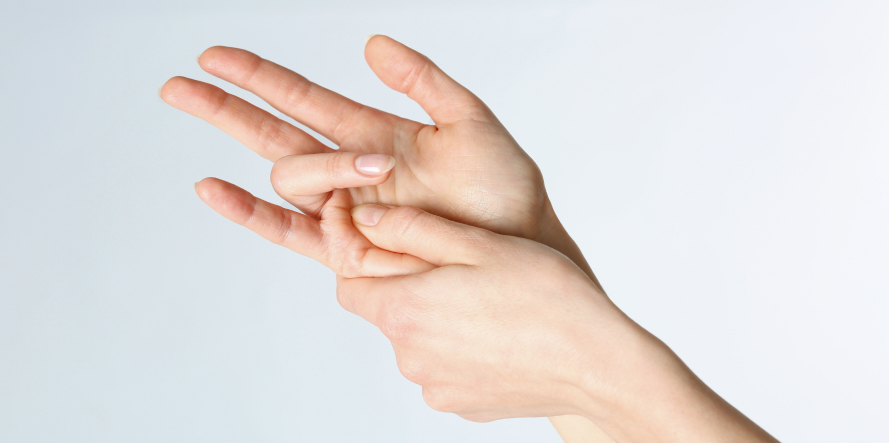
The doctor will typically be able to diagnose a trigger finger by talking with you about your symptoms and examining your hand. Typically, X-rays or other tests are not absolutely necessary to make the diagnosis.
During the exam, your doctor will look for:
It is crucial to visit a specialized orthopedic surgeon with appropriate training and experience as it ensures an accurate diagnosis and the development of a personalized treatment plan tailored to your specific case, leading to better outcomes and a more positive patient experience.
Conservative (Nonsurgical) Treatment
Initial treatment for a trigger finger is usually conservative (nonsurgical).
Surgical Treatment
If your trigger finger does not get better with nonsurgical treatment, you may wish to consider surgery. The decision to have surgery is based typically on how much pain or loss of function you have in your digit. The surgical procedure for trigger finger is usually trigger finger release.
It is a minimally invasive, outpatient surgical procedure that is performed under local anesthesia, allowing for a quick return to normal activities with no overnight hospital stay. A surgeon makes a small incision, typically 1.5 cm, in the palm at the base of the affected finger.
This incision allows the surgeon to cut the tight A1 tendon sheath. The surgery itself is quick, usually lasting around 15-20 minutes.
Trigger finger release surgery is a safe and common outpatient procedure with high success rates, often exceeding 90%, for relieving trigger finger symptoms. However, choosing an experienced orthopedic or hand surgeon is important because his expertise significantly impacts procedure success, the likelihood of full recovery, and the minimization of potential complications. The surgeon’s ability to properly assess your individual situation and effectively restore full finger movement is crucial for a positive outcome.
As mentioned above, trigger finger release is a generally safe and effective surgical procedure with a high success rate, although some pain, swelling, and numbness are normal post-operative symptoms. Most patients experience immediate improvement, with full recovery taking a few weeks, but it’s essential to follow your surgeon’s specific instructions for wound care, activity, and exercises to ensure the best outcome.

Fill in your details below and we will contact you immediately!
WIN THE
MATCH POINT IN THE RACE
OF YOUR HEALTH!