


Επιστροφή


Επιστροφή
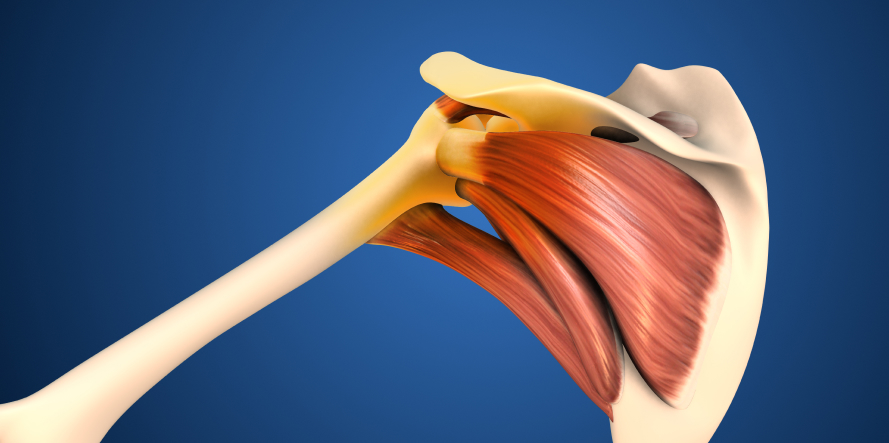
A rotator cuff tear is a common injury that causes pain and limits arm mobility. The rotator cuff is a group of four important tendons in the shoulder — the supraspinatus, infraspinatus, subscapularis, and teres minor — that work together to stabilize and move the joint. When any of these tendons suffer a partial or full-thickness tear, the condition is referred to as a rotator cuff tear.
Such injuries can occur due to repetitive shoulder activity, trauma (either sudden or minor over time), or age-related degeneration that weakens the tendons over the years.
Modern advances in orthopedic surgical techniques and biomedical technology have significantly improved treatment options. Today, many rotator cuff tears can be repaired using arthroscopic surgery, a minimally invasive procedure that allows for accurate tendon repair with smaller incisions, reduced recovery time, and highly effective results.
The procedure typically lasts between 30 minutes and 1 hour. Arthroscopic repair allows for both precise diagnosis and effective treatment, all performed with minimal disruption to surrounding tissues.
The patient is placed in a semi-upright or lateral (side-lying) position, depending on the surgeon’s preference and the specifics of the case. Two small incisions are made—one at the front and one at the back of the shoulder.
A tiny, high-definition camera is inserted through the one incision, allowing the surgeon to thoroughly examine the joint structures on a monitor. Through the second incision, specialized instruments are used to assess and access the tendons and ligaments. Once the tear is located, it is repaired using durable, medical-grade sutures designed to restore tendon integrity and function.
In most cases, the patient is discharged on the same day of the procedure and is prescribed mild pain relievers for short-term use. Rehabilitation typically begins the following day and is tailored to each individual’s condition and specific surgical findings.
Successful recovery requires the guidance of a skilled physiotherapist, along with the patient’s active participation and adherence to post-operative instructions. The rehabilitation period generally lasts between 3 to 6 weeks, depending on the severity of the tear and the patient’s progress. This structured approach ensures optimal healing and a safe return to daily activities.
This is an achievement of biomedical technology that offers significant advantages over traditional open surgery.
Some of the key advantages are the following:
Arthroscopic rotator cuff tear repair using suture technique is a milestone in the field of orthopedic surgery, offering excellent outcomes with minimal pain (discomfort) and a faster recovery time.
While the cost of the procedure is generally considered affordable, it can vary depending on each patient’s case. Therefore, it is advisable to consult with a specialized and experienced orthopedic surgeon who can review your medical history, assess your condition thoroughly, and recommend the most appropriate treatment plan.
At our clinic, we follow established medical protocols to ensure a safe, step-by-step approach. Our goal is to provide each patient with high-quality care and achieve the best possible surgical and functional outcome.

Fill in your details below and we will contact you immediately!
WIN THE
MATCH POINT IN THE RACE
OF YOUR HEALTH!