


Επιστροφή


Επιστροφή
In recent years, the use of biological therapies like Platelet-Rich Plasma (PRP) has seen substantial growth in managing musculoskeletal injuries and conditions, particularly those affecting the shoulder and upper limbs.
This minimally invasive approach relies on the body’s own healing mechanisms to promote faster recovery and improve tissue function. Thanks to its regenerative and anti-inflammatory effects, PRP has become a widely known option for treating injuries in muscles, tendons and ligaments.
Platelet-Rich Plasma (PRP) is derived from the patient’s own blood. A small sample—typically between 15 to 20 ml—is drawn and then processed using centrifugation. This technique separates the blood into its different components, allowing for the extraction of plasma enriched with platelets.
While platelets are primarily known for their role in blood clotting, they also contain growth factors and proteins that support tissue repair and regeneration. By using PRP, the body’s natural healing process can be enhanced and accelerated.
PRP therapy involves injecting platelet-rich plasma directly into the area of injury or discomfort. The process is straightforward and typically follows these steps:
This minimally invasive procedure takes approximately 20 to 25 minutes and is performed in an outpatient setting. No hospital stay is necessary, and most patients are able to resume their regular daily activities within one to two days following treatment, though rest and avoiding strenuous activity are recommended.
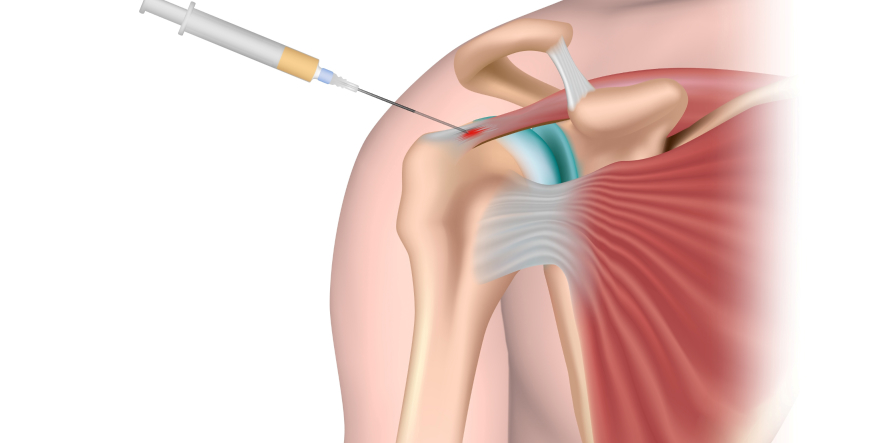
Shoulder and upper limb disorders are frequently seen in athletes, manual laborers, and older adults. Platelet-Rich Plasma (PRP) therapy offers a regenerative, non-surgical approach to managing several of these conditions. The most common conditions treated with PRP include:
PRP therapy offers several advantages compared to other conservative treatment methods for musculoskeletal conditions. Some of the main benefits include:
PRP therapy is a cutting-edge and highly effective treatment for various shoulder and upper limb disorders.
It is crucial that this therapy is performed by a skilled orthopedic surgeon who can thoroughly evaluate the patient’s condition and recommend the most effective treatment approach for optimal results.
Dr. Panagiotis Pantos is a highly skilled Upper Limb Orthopedic Surgeon who has extensive experience in managing shoulder, elbow, and hand conditions. With years of experience, he provides safe and effective treatment approaches tailored to each patient’s needs. His specialized focus on upper limb care enables him to help individuals restore function, reduce pain, and regain a pain-free and more comfortable daily life.
How Often Should I Get PRP Therapy?
Some patients may require multiple PRP sessions depending on the specific condition, its severity, and how well the body responds to the therapy. The orthopedic surgeon will evaluate your individual case and recommend the most appropriate treatment plan.
When Can I Expect to See Results?
PRP therapy can provide significant symptom relief and improvement in patient’s overall function. As a non-invasive and completely safe procedure, it supports natural healing. Although tissue regeneration takes time to complete, the first results are usually noticeable within 4-5 weeks following the injection.
Are There Any Limitations or Contraindications?
PRP treatment may not be suitable for severe cases, such as complete tendon tears or advanced degenerative conditions that typically require surgical repair. It is also not recommended for patients with certain conditions, such as severe blood clotting disorders or active infections.
Is The Procedure Painful?
The injection process is generally well-tolerated and causes minimal pain. Some patients might experience mild soreness or discomfort afterward, which can usually be relieved with over-the-counter pain medications (mild analgesics and pain-killers).
Fill in your details below and we will contact you immediately!
WIN THE
MATCH POINT IN THE RACE
OF YOUR HEALTH!