


Επιστροφή


Επιστροφή
Shoulder arthroscopy is a modern, minimally invasive procedure used to both diagnose and treat a wide range of shoulder disorders.
Through a small incision (about 1 cm), a tiny camera (approximately 4 mm) is inserted into the shoulder joint, allowing the surgeon to carefully examine the joint’s structures — including muscles, tendons, ligaments, and cartilage — and treat any possible damage.
It is the most modern and effective technique for managing the most common painful syndromes of the shoulder joint.
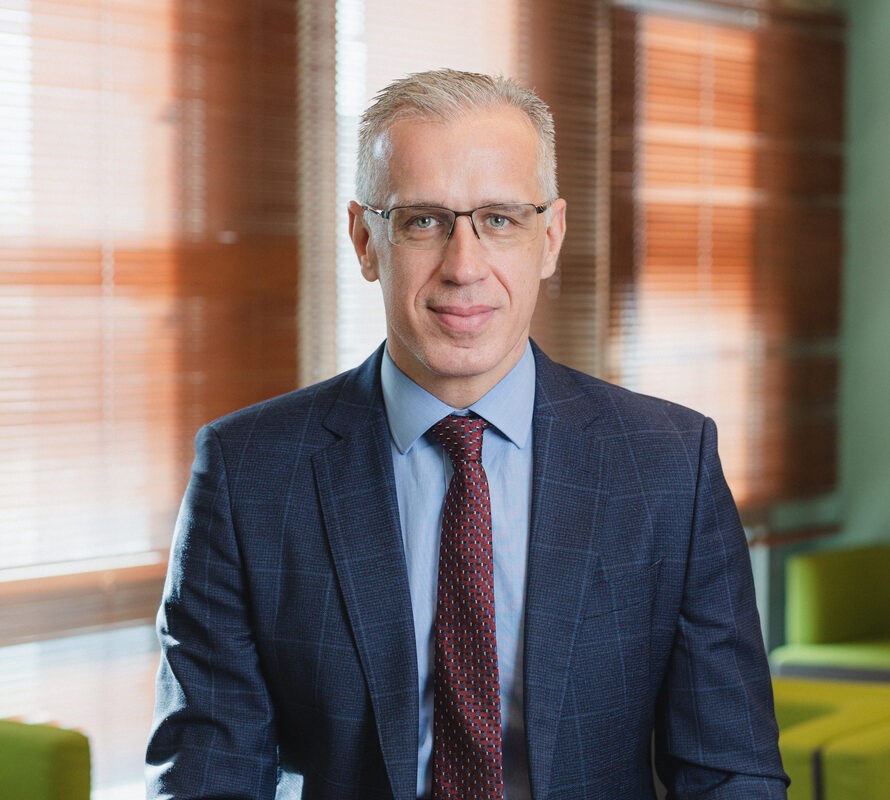
Dr. Panagiotis Pantos, a leading Upper Limb Orthopedic Surgeon, holds a PhD from the Medical School of the National and Kapodistrian University of Athens (EKPA). With over 15 years of experience in upper limb surgery, he has extensive specialization in arthroscopic procedures for various shoulder-related conditions.
The shoulder is the most complex joint in the human body. It is made up of three bones that intersect with each other: the humerus (upper arm bone), the scapula (shoulder blade), and the clavicle (collarbone). The shoulder blade and collarbone together form the shoulder girdle – which connects to the upper arm bone, providing a bony link between the trunk and the upper extremities.
The interaction between these bones at the shoulder, along with muscles that attach to these bones, is responsible for the wide range of movements observed at the shoulder.
Surrounding the shoulder are several important anatomical structures that play a vital role in its function and stability:
Certain activities can put significant strain on the shoulder joint, increasing the risk of injury—especially when performed repetitively or with excessive force. Some common examples include:
Although the shoulder is the most mobile joint in the body, this wide range of motion can sometimes compromise its stability. Shoulder arthroscopy is a minimally invasive procedure used to diagnose and treat various conditions affecting the shoulder joint and its surrounding structures, effectively reducing pain and restoring function.
Shoulder arthroscopy is commonly indicated for the following conditions:
Prior to undergoing shoulder arthroscopy, a comprehensive medical evaluation is essential. The doctor will begin by reviewing the patient’s medical history and conducting a physical examination to identify any underlying conditions that may need to be managed before surgery.
A series of standard preoperative tests will follow, including blood tests, a chest X-ray, an electrocardiogram (ECG), and a cardiology consultation. These tests are crucial to ensure the patient’s safety for anesthesia and surgery by identifying potential risks, assessing overall health, and informing the anesthetic plan.
The patients should inform the doctor about any medications they are currently taking, including prescription drugs, over-the-counter medications or dietary supplements. The surgeon will also provide detailed information about the surgical procedure, what to expect on the day of surgery, and provide guidance on the post-operative recovery process.
Shoulder arthroscopy is typically performed under general anesthesia, with the patient positioned either semi-seated (beach-chair position) or lying on their side (lateral decubitus), depending on the surgeon’s expertise and preference. The procedure usually requires two small incisions — one at the back (posterior) and one at the front (anterior) of the shoulder. In more complex cases, an additional small incision on the side (lateral portal) may be needed.
A miniature camera (arthroscope) is inserted through one of the incisions, transmitting high-definition images to a monitor, allowing the surgeon to visualize the interior of the joint in exceptional detail.
Through the second incision, specialized micro-instruments are introduced to assess the condition and stability of the joint’s structures, such as ligaments and tendons. If any damage is detected, the repair is carried out immediately using these same instruments. The procedure typically lasts from 30 minutes to 1 hour, depending on the complexity of the condition being treated.
Shoulder arthroscopy enables real-time visualization of the entire joint, allowing for highly accurate diagnosis and immediate treatment. It combines advanced surgical techniques with modern materials to offer a minimally invasive yet highly effective solution to shoulder problems.
In most cases, the patient is discharged from hospital on the same day of surgery and is prescribed mild pain relief medication to manage any discomfort. From the second postoperative day, a personalized recovery and rehabilitation program begins, tailored to the specific condition that was treated.
Physical therapy typically lasts from 3 to 6 weeks and plays a critical role in the healing process. It requires the guidance of an experienced physiotherapist, along with the patient’s consistent participation and commitment to the prescribed exercises.
The structured shoulder rehabilitation process begins with passive exercises to manage pain and swelling, then progresses to active-assisted exercises to gently restore range of motion, and finally to active exercises with resistance to rebuild strength. The ultimate goal is to achieve a full, pain-free range of motion in the shoulder and rebuild strength as efficiently and safely as possible.
Thanks to its short operative time and minimally invasive, almost bloodless technique, shoulder arthroscopy is considered a very safe procedure with low risk. Complications are rare, and only a few cases have been reported in international medical literature.
However, the surgeon’s experience in such procedures plays a very important role in ensuring the safety and effectiveness of the operation. Performing precise movements within the limited space of the shoulder joint requires advanced skill and familiarity with arthroscopic techniques.
One of the key advantages of shoulder arthroscopy is that it is a minimally invasive procedure. This means it causes minimal disruption to the surrounding soft tissues, resulting in significantly reduced postoperative pain for the patient.
Other notable benefits of this procedure include:
That said, it’s important to note that shoulder arthroscopy is a technically complex and demanding procedure. To ensure optimal results, it should be performed by an orthopedic surgeon who has specialized training and substantial and extensive experience in shoulder surgery.
Dr. Panagiotis Pantos is a highly specialized Upper Limb Orthopedic Surgeon and Sports Medicine Physician. He received advanced training and gained significant experience in Germany, where he held the position of Deputy Director in the Department of Orthopedics and Traumatology at the Shoulder Surgery Clinic, Klinik Maingau vom Roten Kreuz, for 8 years.
He has many years of experience in shoulder disorders and has performed over 2.500 shoulder arthroscopies in Greece and abroad. He offers comprehensive care for all shoulder and upper limb disorders, applying the most modern, effective, and evidence-based surgical techniques.
His extensive experience ensures not only technically excellent outcomes but also the highest standards of patient safety. Through his specialized focus on shoulder disorders, Dr. Panagiotis Pantos helps patients return to their daily activities without pain and with improved range of motion.
procedure, all essential preoperative evaluation tests, and the required arthroscopic equipment. In some cases, part or all of the cost may be covered by the patient’s insurance plan. For more information, please do not hesitate to contact us.
When Should I See the Orthopedic Surgeon After Shoulder Arthroscopy?
The initial follow-up appointment typically takes place about one week after your shoulder arthroscopy. During this visit, the orthopedic surgeon will assess the surgical site, monitor your healing progress, and address any questions or concerns you may have.
Additional follow-up visits are usually scheduled at regular intervals—commonly at two, six, and twelve weeks post-surgery. These appointments are important for tracking your recovery and providing personalized guidance to ensure a smooth and complete rehabilitation.
How Soon Can I Return to Sports and What Factors Do Influence This?
The timeline for returning to sports varies from person to person and should be approached gradually, under the guidance of your orthopedic surgeon and the physical therapist. Several factors influence this process, including the type of surgery performed, the extent of the original shoulder injury, the effectiveness and consistency of physical therapy, and how closely the post-operative instructions are followed. A safe return to sports depends on a well-managed and individualized recovery plan.
How Long After Shoulder Arthroscopy Is It Safe To Drive?
The ability to resume driving after shoulder arthroscopy depends on several factors, including the specific procedure performed, the condition being treated, your overall physical health, and the pace of your recovery. In most cases, patients can return to driving approximately two weeks after surgery. However, it’s essential that the shoulder has healed sufficiently and that you have regained full mobility and control before getting behind the wheel. Always consult your doctor before resuming driving.
Will I Have Many Restrictions During My Shoulder Recovery?
While some temporary limitations are expected during recovery from shoulder arthroscopy, they are generally fewer and less restrictive than those associated with traditional surgical procedures. These precautions are designed to support healing and minimize the risk of complications. It is important to strictly follow your surgeon’s instructions and maintain a close collaboration with your physical therapist to ensure a safe and successful recovery.
Are the Results of Shoulder Arthroscopy Long-Lasting?
Shoulder arthroscopy typically provides long-lasting results, offering significant relief from pain and improving shoulder function. With proper rehabilitation and adherence to medical guidance, many patients experience lasting improvement in their quality of life.
Fill in your details below and we will contact you immediately!
WIN THE
MATCH POINT IN THE RACE
OF YOUR HEALTH!