


Επιστροφή


Επιστροφή
A scaphoid fracture is the most common type of fracture found in the wrist area. This specific type of fracture involves the scaphoid bone, which is one of the eight small carpal bones, located below the thumb. The most frequent fracture location is the middle (waist) of the scaphoid bone, though fractures can also occur in the distal (near the hand) or proximal (near the forearm) parts.
The wrist is formed by the two bones of the forearm — the radius and the ulna — and eight small carpal bones that are arranged in two rows at the base of the hand. There are four bones in each row. The scaphoid bone is one of the carpal bones on the thumb side of the wrist, just above the radius and it is important for both motion and stability of the wrist joint.
The word “scaphoid” derives from the Greek word for “boat,” reflecting the scaphoid bone’s boat-like shape and its crucial role in the wrist’s function by connecting the two rows of carpal bones, contributing to the wrist’s dexterity, stability, and range of motion.
Scaphoid fractures most often result from falling onto an outstretched hand. This is the most common cause, occurring when a person extends his/her hand to break a fall, placing the body’s full weight on the palm. Other causes include high-energy activities and sports, especially those involving contact or risk of falls as well as motor vehicle accidents.
People with osteoporosis are at an increased risk for all types of fractures, including scaphoid fractures. While fractures can occur at any age, including children, scaphoid fractures are more common in young men, typically those aged 20 to 30.
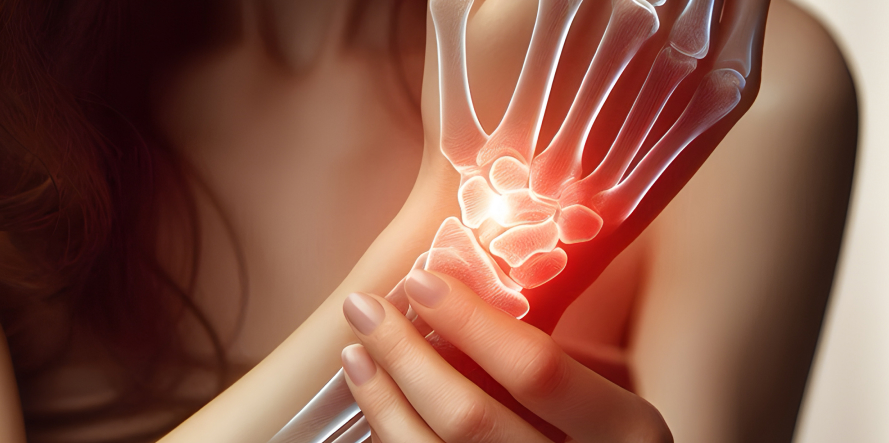
A scaphoid fracture, the most common wrist bone fracture, presents with pain at the thumb’s base, swelling, and limited wrist movement, often mistaken for a wrist sprain.
The main symptoms of a scaphoid fracture are the following:
The diagnosis of a scaphoid fracture is made through taking the patient’s medical history and clinical examination of the wrist, combined with further imaging tests. Scaphoid fractures are difficult to diagnose because the fracture is often not visible on initial X-rays, a condition known as an occult fracture.
The doctor will begin with a thorough medical history, discussing the mechanism of injury and symptoms. During the physical examination, he will also examine your wrist. With most fractures, there will be tenderness directly over the scaphoid in the anatomic snuffbox.
Finally, your doctor will focus on assessing pain, tenderness, swelling, and range of motion in the wrist.
The most commonly performed diagnostic imaging tests are the following:
The scaphoid fracture treatment depends on several factors, such as the location of the fracture, the extent of displacement of the broken fragments, and the type of fracture (simple or comminuted). Non-displaced scaphoid fractures that are closer to the thumb (distal pole) are likely to heal with proper protection and restricted activity. This part of the scaphoid bone has a good blood supply and usually heals within a few weeks with the application of a special cast that immobilizes the thumb for 6 weeks.
If the scaphoid is broken (but non-displaced) in the middle of the bone (waist) or closer to the forearm (proximal pole), healing can be more difficult. These areas of the scaphoid do not have a very good blood supply. If your scaphoid is broken at the waist or proximal pole and/or if the fracture is displaced, your doctor may recommend surgery.
The goal of surgery is to realign and stabilize the fracture, giving it a better chance to heal.
The primary recommended surgical approach for a scaphoid fracture is open reduction and internal fixation (ORIF), involving a screw to stabilize the bone. In some cases, this surgery is performed percutaneously using radiological guidance, minimizing the surgical trauma. In the case of a comminuted fracture, bone grafting from the patient’s own body may be necessary to facilitate healing. The bone graft is taken from the wrist area (radius) or the pelvis (ilium).

Fill in your details below and we will contact you immediately!
WIN THE
MATCH POINT IN THE RACE
OF YOUR HEALTH!